
Center for non-coding RNA in Technology and Health (RTH)
The center aims at developing technologies, computational methods as well as experimental approaches for analysis of the mammalian genome for non-coding RNAs in relation to (inflammatory) diseases. The center will focus on developing these technologies to exploit them and the findings in relation to diabetes. The center consists of a number of national and international partners, with the core located at the Faculty for Health and Medical Sciences of University of Copenhagen .
The people in the center cover a range of expertises including computational biology, RNA bioinformatics, molecular models in diabetes, RNA biology, animal models, functional genomics and high-throughput sequence analysis..
Join us
We are always looking for motivated and talented young scientists as well as projects or colaborations within the areas of the center. Feel free to contact us with suggestions or to ask for more information.
News
CRISPR Cas9 base editing efficiencies
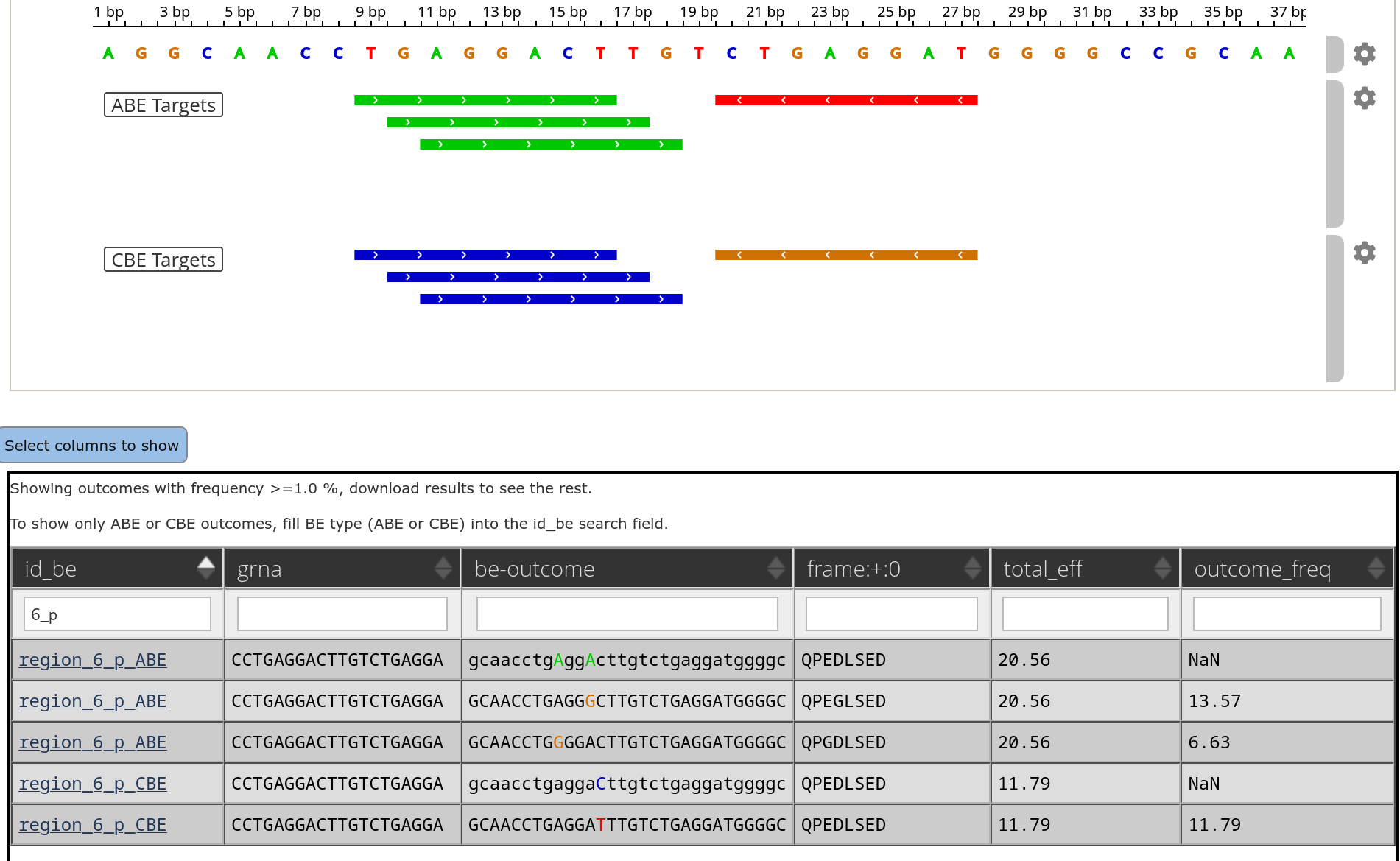
Excited that the collaboration with Yonglun Luo lab on base editing gRNA design has been published in Nature Communications. We generated efficiency and outcome data for ~20000 gRNAs and employed deep learning learning models trained on ours and publicly available data by labeling the individual data sets resulting in a cutting-edge base editor design tool. See the paper here.
Events
10th Annual Bioinformatics Conference 2026
The Danish Bioinformatics Conference, under the umbrella of ELIXIR Denmark (www.elixir-denmark.org) will start at 12:00 pm on Tuesday, October 27 and end at 16.30 pm on Wednesday, October 28, 2026 at the University of Southern Denmark.
There will be keynote speakers, poster sessions and several parallel in-person workshops.
For more details and registration, please go to the event website to signup.
Registration deadline: October 4, 2025
Recent resources
TADBpred
Systematical evaluation of the heterogeneity of topologically associating domain boundaries in large genomic context in human
CRISPRon-be
Deep learning models simultaneously trained on multiple datasets improve base-editing activity prediction
cyanobacteria CRISPRi
This browsers show the CRISPRi-dCas9 results for a genome-wide knockdown experimental series in Synechocystis sp. PCC 6803 under 4% and 30% CO2 concentrations
Research outset
The human genome, made up of DNA, consists of three billion building blocks (nucleotides) where some regions (stretches) are complete genes. We all carry variants of the genes and some cause diseases. Here, the goal is to investigate the specific class of genes, the non-coding RNA genes, in relation to diabetes. The non-coding RNA (ncRNA) genes can be the missing components in diseases that previously have been overlooked.
Our research goal is to develop technologies for ncRNA analysis and to search for functional ncRNAs in relation to diabetes and other (inflammatory) diseases.
Research in details .